
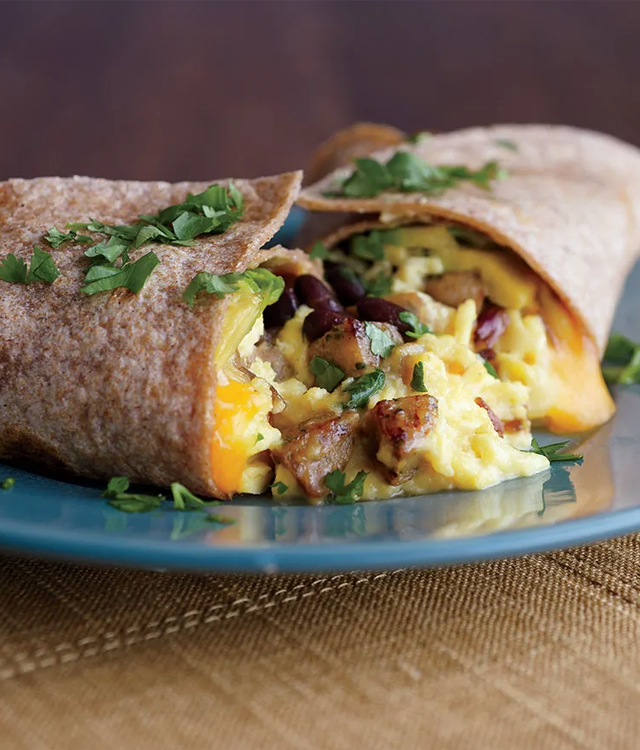
Breakfast isn’t magic, and skipping it won’t automatically sabotage your goals. But what you choose to eat in the first hour or two after waking has an outsized effect on how the rest of your day goes.
A breakfast heavy in refined carbohydrates — a bagel, a muffin, a bowl of low-fiber cereal — causes blood sugar to spike and then crash. That crash is often the biological reason behind the “I’m starving” feeling that hits around 10:30 a.m., and it tends to drive snacking decisions that undo a lot of the calorie discipline built into the rest of the day.
A protein-and-fiber-forward breakfast works differently. Protein takes longer to digest and triggers hormones that signal fullness, while fiber slows the release of sugar into the bloodstream.
The practical result for someone trying to lose weight is fewer cravings before noon and more control over portions at lunch. This is one of the simplest, most doctor-backed levers to pull if mornings are where your eating plan tends to fall apart.
Aim for 20 to 30 grams from eggs, Greek yogurt, cottage cheese, or a quality protein powder. Protein preserves muscle while you’re in a calorie deficit, which matters more than the scale number alone.
Berries, oats, chia seeds, and vegetables slow digestion and help you stay full for hours, not minutes.
These are the ingredients most likely to trigger a blood sugar spike-and-crash cycle.
Fruit juice, flavored coffee drinks, and smoothies made with syrups can add several hundred calories before you’ve eaten anything solid.
A weight-loss breakfast doesn’t need to be tiny — it needs to be balanced. A too-small breakfast often backfires by making you overeat later.
These weight loss breakfast ideas are built around the principles above. Swap ingredients based on what you have on hand — the protein-plus-fiber formula is what matters, not the exact recipe.
The biggest obstacle to eating a healthy breakfast for weight loss isn’t knowledge — it’s time. A few habits make it easier to stick with:
There’s no single “best” breakfast, but the most effective ones share three traits: 20 to 30 grams of protein, a fiber source like fruit or whole grains, and minimal added sugar. A veggie egg scramble or a Greek yogurt parfait with berries are both strong, simple starting points.
Most research on satiety and weight management points to roughly 20 to 30 grams of protein at breakfast as the range that most effectively reduces hunger and cravings later in the day, without being more than most people need in one sitting.
Skipping breakfast doesn’t help or hurt weight loss on its own — what matters is your total calorie intake and food quality across the whole day. Some people do well with intermittent fasting; others find they overeat later if they skip the morning meal.
Overnight oats, a pre-made smoothie pack, hard-boiled eggs prepped in advance, or a cottage cheese bowl all take less than five minutes to eat and require little to no morning prep if you plan ahead the night or weekend before.
They can be, as long as they’re built around protein powder or Greek yogurt with whole fruit and unsweetened liquid rather than juice. A smoothie made only from fruit and juice can carry as much sugar as a soda, which works against a weight-loss goal.