
Phthalates are chemicals found in many everyday plastic products. Recent research has shown that exposure to these chemicals may contribute to heart disease, a leading cause of death worldwide (1). This blog post breaks down the findings of a major study on phthalates and heart health in simple terms. It also offers practical tips to help you reduce your exposure to these harmful substances.

Phthalates are chemicals used to make plastics more flexible and durable. You can find them in many products such as food packaging, toys, personal care items, toothbrushes, cosmetics, and household goods (CDC 2026). Because they are not tightly bound to plastics, phthalates can easily leak into the environment, food, or even your skin (Rowdhwal et al 2018). A well-known and studied phthalate, Di (2-ethylhexyl) phthalate (DEHP) has been studied extensively. DEHP is used as a plasticizer in many products, such as intravenous (IV) bags and tubing, umbilical artery catheters, blood bags and infusion tubing, enteral nutrition feeding bags, nasogastric tubes, and peritoneal dialysis bags, and is utilized in manufacturing a wide variety of consumer products, such as packed food and beverages; soft plastic products, such as toys and infant products (Earls et al., 2003). DEHP is also found in building and furniture materials, including furniture upholstery, mattresses, wall coverings, floor tiles, and vinyl flooring; and cosmetics and personal care products to carry fragrances (Koniecki et al., 2011, Dobrzyńska 2016).
The concern is that phthalates cause endocrine disruption, metabolic dysfunction, and oxidative stress (Rowdhwal et al., 2018, Wang and Qian 2021). These insults can lead to various health problems, including hormonal imbalance, reduced testosterone in males, impaired insulin resistance, thyroid disfunction, and obesity (Wang and Qian 2021, (Rowdhwal et al., 2018). DEHP has been linked to cancer, and the Environmental Protection Agency (EPA) lists this chemical as a probable human carcinogen (EPA 2026). One study conducted by Yang and colleagues demonstrated that DEHP was linked to increased risk of male and female reproductive organ cancers (Yang et al., 2024).
A study published in eBioMedicine by Hyman S, Acevedo J, Giannarelli C, and others estimated how many deaths and years of life lost worldwide are linked to phthalate exposure. The researchers found that phthalates contribute significantly to cardiovascular diseases such as heart attacks and strokes (Hyman et al 2025).
Here’s what the study revealed in simple terms (Hyman et al 2025):
This research highlights a hidden danger in everyday products that many people are unaware of.

Reducing phthalate exposure might seem challenging because these chemicals are so common. However, there are practical steps you can take to protect yourself and your family. The Environmental Working Group (EWG) offers useful advice based on recent studies and expert recommendations.
Phthalates can leach into food from plastic packaging, especially fatty foods like cheese or meat. Buying fresh or frozen foods reduces the chance of contamination. Avoid fast foods as there is increased use of plastics to produce and serve these foods.
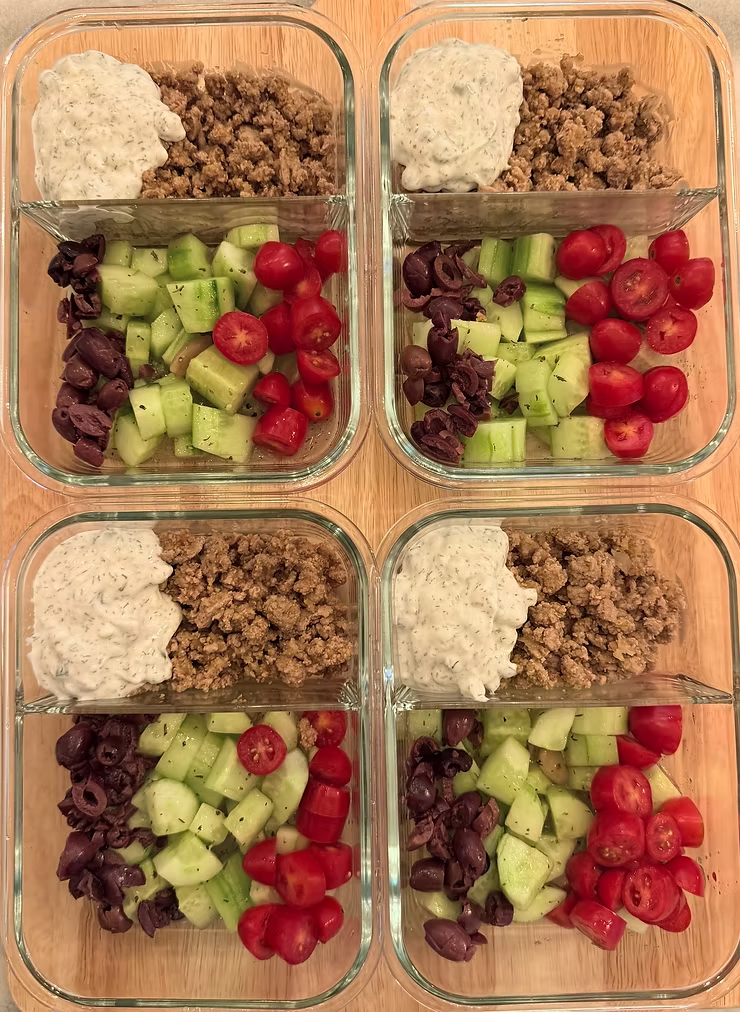
Heating plastic can release more phthalates into your food. Use glass or ceramic containers for microwaving instead.
Many shampoos, lotions, and perfumes contain phthalates. Look for products labeled “phthalate-free” or check ingredient lists for chemical terms like “DBP” or “DEP.”
Replace plastic shower curtains, vinyl flooring, and other household items that may contain phthalates with safer materials like cotton, wood, or glass.
Children are more vulnerable to chemical exposure. Choose toys and products labeled as phthalate-free to reduce their risk. Try to limit products with the number 3 and 7 recycle sign as these likely contain phthalates.
Phthalates can accumulate in dust and indoor air. Opening windows and using air purifiers can help reduce indoor pollution.

Phthalates are everywhere, but you don’t have to accept exposure as inevitable. By making simple changes in your shopping, cooking, and cleaning habits, you can reduce your contact with these chemicals. This can help protect your heart and overall health.
Remember, the study shows that phthalates might contribute to serious health problems, but you have the power to lower your risk. Start by checking your household products and food choices today.
This post is for informational purposes only and does not replace professional medical advice. If you have concerns about heart disease or chemical exposure, consult a healthcare provider.
References: