Spaghetti is a beloved comfort food, but traditional pasta can pack a surprising number of calories and carbs. One serving of spaghetti noodles is 210 calories and 42 grams of carbohydrates per serving. If you want to enjoy your favorite spaghetti and meat sauce without the extra calories, swapping traditional noodles for konjac noodles offers a simple and effective solution. One serving of Konjac noodles is only 5 calories and 0 carbohydrates. This swap lets you keep the flavors you love while cutting down on calories effortlessly.
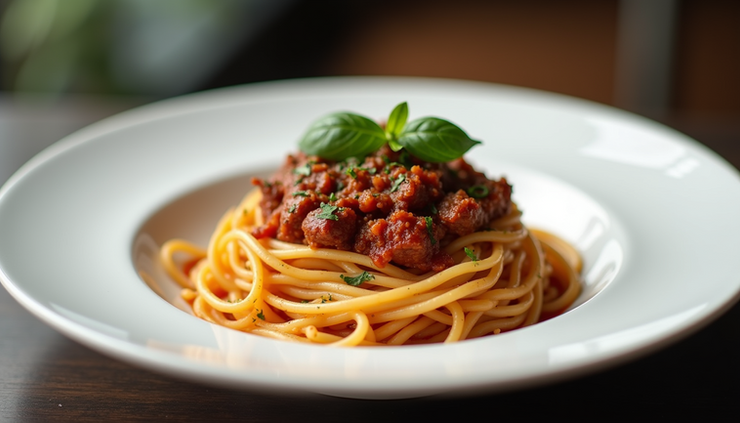
Spaghetti with konjac noodles and meat sauce
What Are Konjac Noodles?
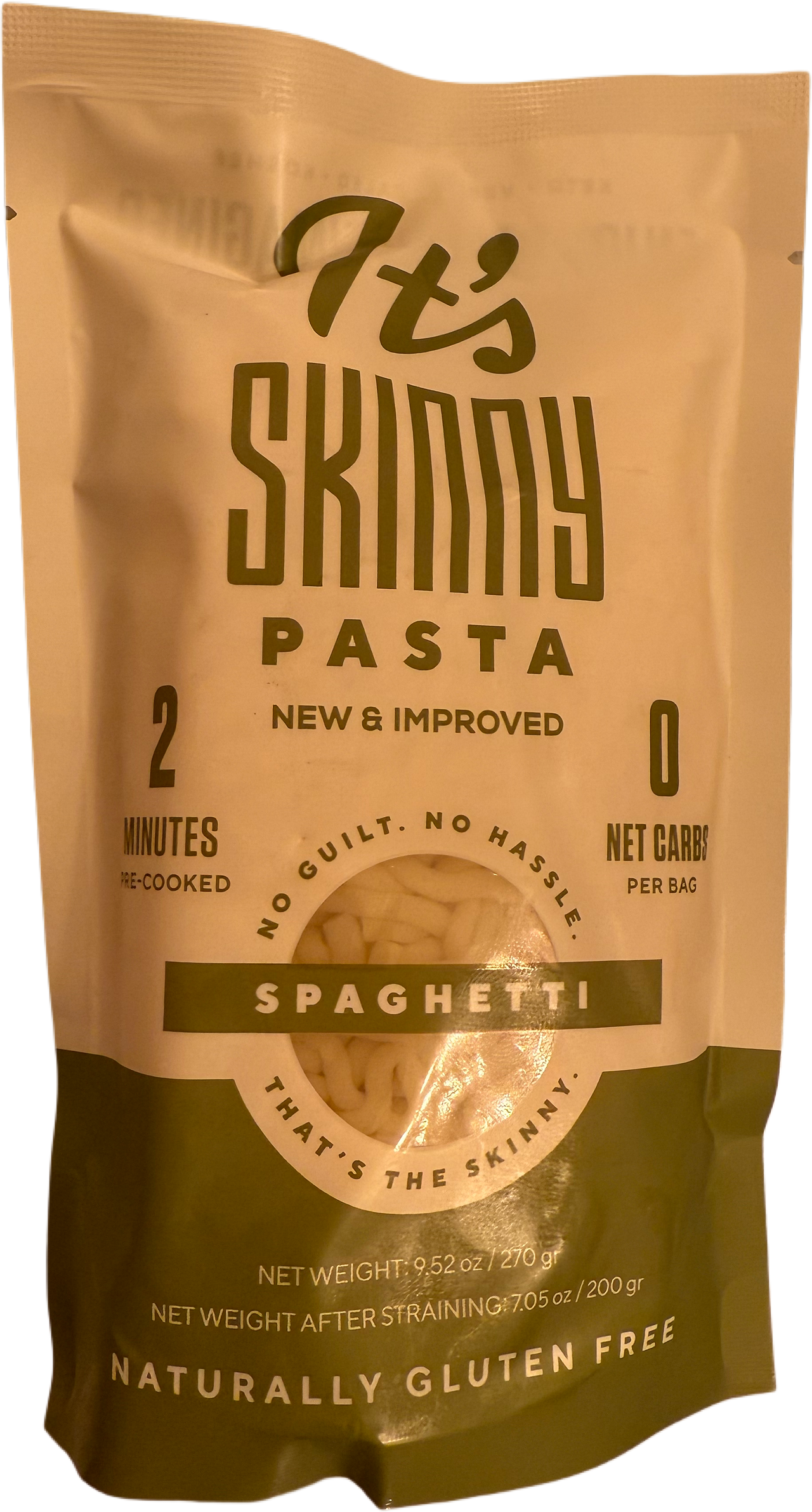
Konjac noodles, also known as shirataki noodles, come from the konjac plant’s root. Konjac/Shirataki noodles are derived from the tuber-like underground stem known as the corm and has been used in Asia for centuries (1,2). They are mostly water and fiber, which means they contain very few calories and almost no digestible carbohydrates. This makes them a popular choice for people looking to reduce calorie intake or manage blood sugar levels.
Unlike traditional wheat pasta, konjac noodles have a translucent, slightly gelatinous texture. They absorb the flavors of sauces well, making them a great match for hearty meat sauces or tomato-based spaghetti recipes.
How to Prepare Konjac Noodles for Spaghetti
Using konjac noodles in your spaghetti is straightforward. Here’s a quick guide to get the best results:
Rinse thoroughly: Konjac noodles come packed in liquid with a slight odor. Rinse them well under cold water to remove this.
Boil or microwave briefly: Boil the noodles for 2-3 minutes or microwave for 1 minute to improve their texture and remove any remaining smell.
Dry the noodles: After boiling or microwaving, drain and dry the noodles by patting them with a paper towel or lightly pan-frying them without oil for a few minutes. This step helps the noodles hold sauce better.
Add your sauce: Prepare your meat sauce as usual, then toss the konjac noodles in the sauce to combine flavors.
This simple swap requires no special cooking skills or complicated recipes. Just replace your usual spaghetti noodles with konjac noodles and enjoy.
Benefits of Using Konjac Noodles in Spaghetti
Switching to konjac noodles offers several advantages beyond just calorie reduction:
Lower calorie count: Traditional spaghetti noodles have about 210 calories per cooked cup, while konjac noodles have around 5 calories for the same amount.
Reduced carbs: Konjac noodles contain almost zero digestible carbohydrates, which can help with blood sugar control. Spaghetti noodles have 42 grams of carbohydrates.
High fiber content: The glucomannan fiber in konjac noodles supports digestion and can promote feelings of fullness.
Gluten-free: For those with gluten sensitivities or celiac disease, konjac noodles provide a safe alternative.
Versatile: They work well with many sauces and toppings, making them easy to incorporate into your favorite spaghetti recipes.
Tips for Making Your Konjac Spaghetti Taste Great
Some people worry that konjac noodles might taste bland or have an odd texture. Here are some tips to make your konjac spaghetti delicious:
Use flavorful sauces: Rich meat sauces, tomato-based sauces with herbs, or even creamy sauces help mask any subtle differences in noodle texture.
Add seasoning: Garlic, onion, chili flakes, and fresh herbs can enhance the overall flavor.
Mix textures: Add sautéed vegetables or a sprinkle of cheese to add variety.
Don’t overcook: Konjac noodles cook quickly and can become mushy if overcooked.
Example Recipe: Classic Spaghetti with Meat Sauce Using Konjac Noodles
Here’s a simple recipe to try:
Ingredients:
1 package konjac noodles (about 200g)
1/2-pound ground beef or turkey
1 cup tomato sauce
1 small onion, diced
2 cloves garlic, minced
1 tsp olive oil
Salt, pepper, and Italian herbs to taste
Grated Parmesan cheese (optional)
Instructions:
Rinse and boil konjac noodles for 3 minutes, then drain and dry.
Heat olive oil in a pan, sauté onion and garlic until soft.
Add ground meat, cook until browned.
Stir in tomato sauce and herbs, simmer for 10 minutes.
Toss konjac noodles in the sauce until well coated.
Serve hot with a sprinkle of Parmesan if desired.
This recipe keeps the familiar taste of spaghetti and meat sauce while cutting calories dramatically.
What are the benefits of using Konjac Noodles vs. traditional noodles?
Substituting regular spaghetti noodles with konjac noodles are a great way to replace a high calorie food with a low calorie, high fiber one without significantly sacrificing flavor. Also, konjac noodles are compatible with many different diets: keto, paleo, vegan, low carb, diabetic friendly, weight loss friendly, & gluten free. Konjac can also aid in lowering blood pressure (3), improving blood sugar (2-4), cholesterol (2,3,5). Konjac noodles are most notable for its significant difference in calories: 5 calories per serving of Konjac vs. 210 calories per serving of spaghetti noodles. If you eat spaghetti noodles regularly then this would add up to thousands of calories per year, and pounds lost by switching to konjac noodles. In fact, one clinical double blind research study showed that diet supplementation with Konjac over an 8-week period resulted in significant weight loss (6). Numerous other studies have shown positive effects on weight loss (7-10). Obviously Konjac noodles are not going to taste exactly like spaghetti noodles but in order to make a difference in your health it’s important to try new things and make certain dietary changes. I’m not saying give up spaghetti noodles but only eat spaghetti noodles on occasion if you are trying to lose weight or improve your health and make konjac your regular go-to noodle for everyday purposes. Also, there are so many recipes out there for fried rice dishes and rice dishes in general to I urge you to try your own and customize your diet to suit your individual needs.
Ramya Devi Devaraj, Chagam Koteswara Reddy, Baojun Xu,Health-promoting effects of konjac glucomannan and its practical applications: A critical review, International Journal of Biological Macromolecules. 2019;(126): 273-281.
Huang CY, Zhang MY, Peng SS, Hong JR, Wang X, Jiang HJ, Zhang FL, Bai YX, Liang JZ, Yu YR, et al. Effect of Konjac food on blood glucose level in patients with diabetes. Biomed Environ Sci. 1990 Jun;3(2):123-31.
Nagasawa T, Kimura T, Yoshida A, Tsunekawa K, Araki O, Ushiki K, Ishigaki H, Shoho Y, Suda I, Hiramoto S, Murakami M. Konjac Glucomannan Attenuated Triglyceride Metabolism during Rice Gruel Tolerance Test. Nutrients. 2021 Jun 25;13(7):2191.
Walsh DE, Yaghoubian V, Behforooz A. Effect of glucomannan on obese patients: a clinical study. Int J Obes. 1984;8(4):289-93. PMID: 6096282.
Vita PM, Restelli A, Caspani P, Klinger R. Impiego cronico del glucomannano nel trattamento dietetico delle obesità severe [Chronic use of glucomannan in the dietary treatment of severe obesity]. Minerva Med. 1992 Mar;83(3):135-9.
Salas-Salvadó J, Farrés X, Luque X, Narejos S, Borrell M, Basora J, Anguera A, Torres F, Bulló M, Balanza R; Fiber in Obesity-Study Group. Effect of two doses of a mixture of soluble fibres on body weight and metabolic variables in overweight or obese patients: a randomised trial. Br J Nutr. 2008 Jun;99(6):1380-7.
Livieri C, Novazi F, Lorini R. Impiego di fibre a base di glucomannano altamente purificato nell’obesità infantile [The use of highly purified glucomannan-based fibers in childhood obesity]. Pediatr Med Chir. 1992 Mar-Apr;14(2):195-8.
Birketvedt GS, Shimshi M, Erling T, Florholmen J. Experiences with three different fiber supplements in weight reduction. Med Sci Monit. 2005 Jan;11(1):PI5-8.