
Living a long, healthy life is a goal many share, but few understand the practical steps to achieve it. Scientific research shows that while genetics influence longevity, a significant proportion of how long we live depends on our environment and lifestyle choices (Castruita et al., 2022). The Blue Zones—regions where people consistently live past 100 years—offer valuable insights into habits that promote wellness and longevity. These areas include Sardinia in Italy, Okinawa in Japan, Nicoya in Costa Rica, Ikaria in Greece, and Loma Linda in California (Poulain and Herm 2022). Research has identified common lifestyle factors that blue zone inhabitants engage in that promote longevity despite genetic differences.
In today’s digital age, there are all sorts of influencers disseminating various health advice, often conflicting and sometimes erroneous, with little to no long-term evidence to support their claims. This can lead to confusion among those seeking to improve their health and longevity. Unlike the anecdotal and sometimes misleading information from influencers, the Blue Zones serve as the ultimate human experiment, showcasing real-life examples of individuals who have lived long, fulfilling lives. By studying these communities, we can glean practical, evidence-based insights into the lifestyle choices that contribute to longevity, rather than relying on the latest trends or fads promoted by social media personalities.
Exploring the lifestyle factors common to these communities reveals actionable lessons anyone can apply to live long and improve their overall health. In this article we explore the key longevity habits of blue zone inhabitants (Buettner and Skemp 2016, Kreouzi et al., 2022)
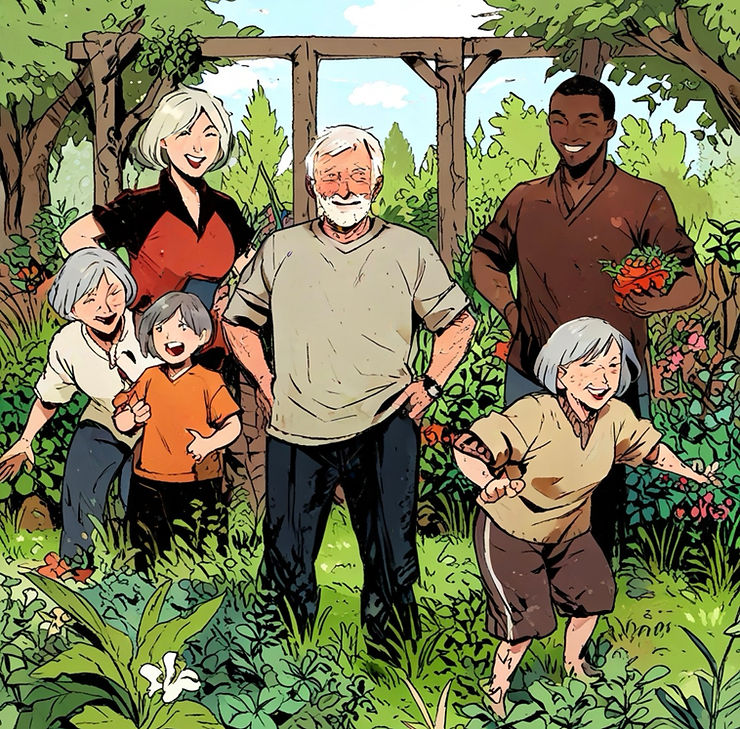
People in Blue Zones do not rely on gyms or intense workouts. Instead, their environments encourage constant, low-intensity physical activity. This includes walking, gardening, and manual tasks integrated into daily routines. For example, Sardinians often walk uphill to visit neighbors, and Okinawans tend small vegetable gardens.
This natural movement supports cardiovascular health, muscle strength, and flexibility without the stress of formal exercise. Incorporating more walking, standing, and light physical tasks into your day can improve wellness and contribute to longevity.
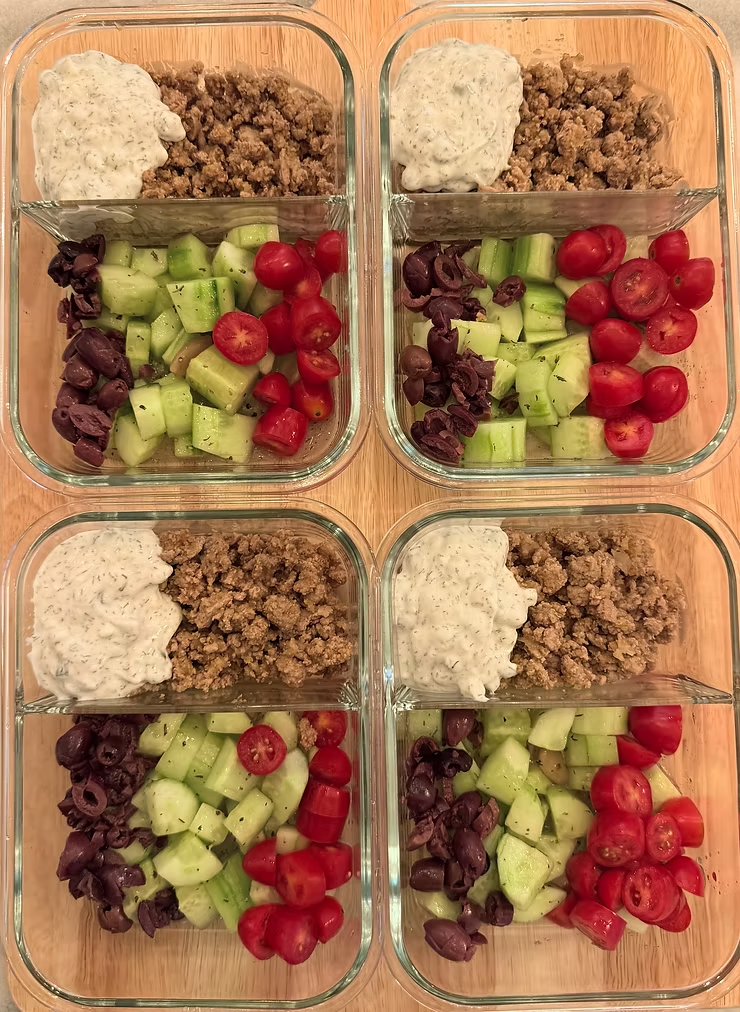
Meals in Blue Zones are predominantly plant-based, with about 95% of their diet coming from vegetables, whole grains, and legumes like beans and lentils. Meat is eaten sparingly, usually no more than five times per month in small portions.
This diet provides essential nutrients, fiber, and antioxidants that reduce inflammation and support heart health. For example, Okinawans consume soy products regularly, while Nicoyans favor beans and corn tortillas. Adopting a similar plant-focused diet can help prevent chronic diseases and promote long life.
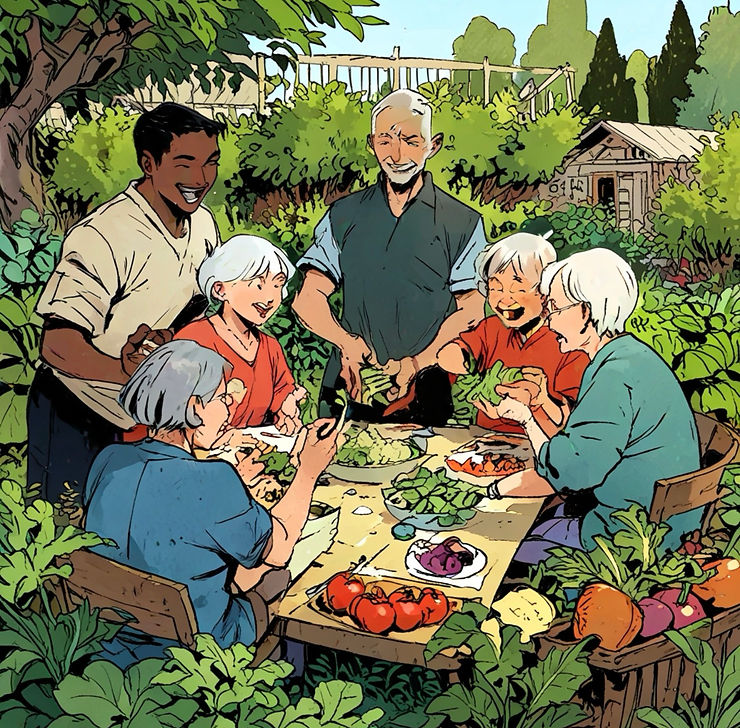
One of the most interesting habits is the practice of stopping eating when about 80% full. Known as “Hara Hachi Bu” in Okinawa, this rule helps avoid overeating and obesity, which are linked to many health problems.
By eating mindfully and stopping before feeling completely full, people in Blue Zones maintain a healthy weight and reduce the risk of metabolic diseases. This simple habit can be a powerful tool for anyone looking to improve their longevity.

A strong sense of purpose, called Ikigai in Okinawa or plan de vida in Nicoya, is linked to living about seven years longer. Knowing why you wake up each day motivates healthier choices and reduces stress.
People in Blue Zones often engage in meaningful work, community roles, or family care well into old age. Finding your own purpose—whether through hobbies, volunteering, or relationships—can boost mental health and longevity.
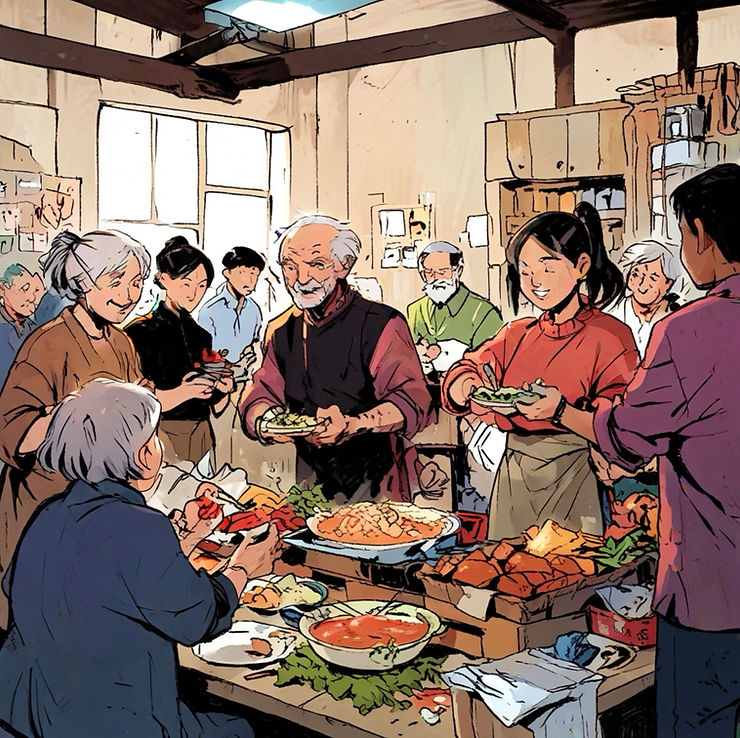
Chronic stress causes inflammation, which accelerates aging and disease. Blue Zone residents manage stress with simple, daily rituals. For example, Ikarians take regular naps, Loma Linda residents pray or meditate, and Sardinians enjoy social gatherings.
These practices help lower stress hormones and promote relaxation. Incorporating stress-reducing habits like meditation, short naps, or social time can improve wellness and support a longer life.
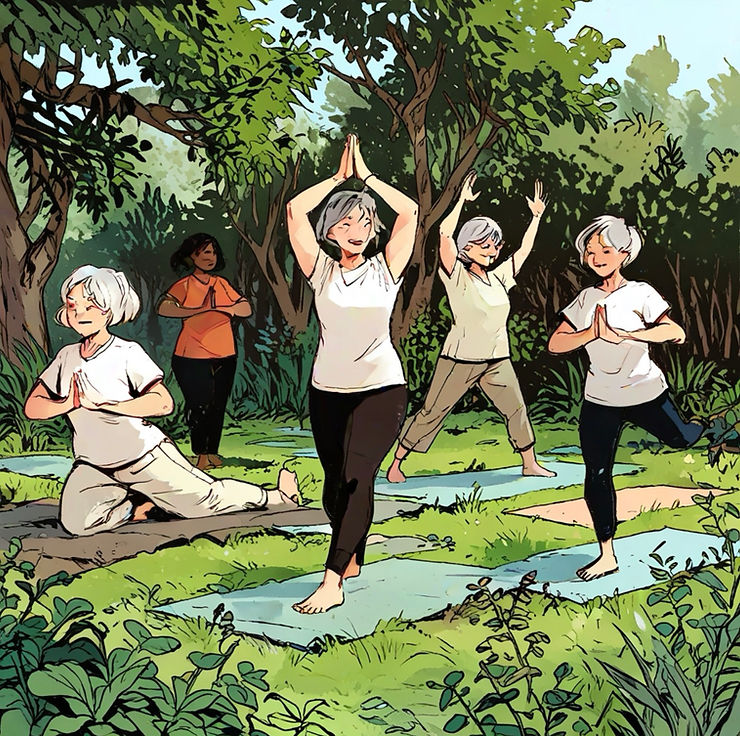
Social ties are a cornerstone of Blue Zone life. People prioritize family, maintain friendships across generations, and belong to faith or social groups that provide support.
For example, Okinawan Moais are lifelong social circles that offer emotional and practical help. These connections reduce loneliness and encourage healthy behaviors. Building and nurturing your social network can enhance both mental and physical health.

Except for some groups like the Adventists in Loma Linda, many Blue Zone residents drink moderate amounts of alcohol, typically one to two glasses of wine daily with food and friends. This moderate consumption is linked to better heart health and social bonding. It is suggested that social interactions paired with light alcohol intake may prove beneficial rather than drinking by yourself.
If you drink alcohol, doing so in moderation and with meals may contribute to wellness. However, it is important to consider personal health conditions and consult with a healthcare provider as excess alcohol consumption is linked to health risks such as liver disease, pancreatitis, dementia, and various types of cancer (Hendriks 2020).
Living long and well is not about drastic changes but adopting consistent, manageable habits. The Blue Zones teach us that natural movement, a plant-focused diet, mindful eating, purpose, stress management, social connections, and moderate alcohol all play key roles in longevity.

By integrating these lessons into daily life, anyone can improve their wellness and increase their chances to live long. Start small by adding more plants to your meals, walking a little more each day, or reconnecting with friends. These steps build a foundation for a healthier, longer life.
References: